# Iran’s Iron Ore Pellet Industry: Key Mines and Production Facilities
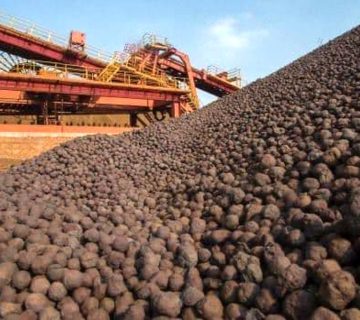
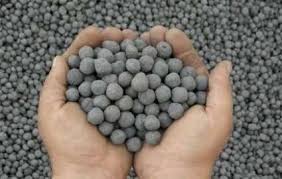
Iran boasts a robust mining sector, with iron ore playing a pivotal role in its economy. As one of the top global producers of iron ore, Iran ranked 11th worldwide in recent years, with significant reserves concentrated in central and eastern regions. The country’s iron ore pellet production is integral to its steel industry, supporting both domestic needs and exports. Pellets, formed by agglomerating iron ore fines, are essential for efficient steelmaking in blast furnaces and direct reduction processes. Iran’s pellet output has grown steadily, driven by major mines and state-of-the-art facilities, despite challenges like international sanctions. This article explores the primary mines extracting iron ore and the factories converting it into pellets, highlighting their capacities, locations, and contributions.
## Major Iron Ore Mines in Iran
Iran’s iron ore mining is dominated by a few large operations, which supply the raw material for pelletization. The country has over 300 iron ore mines, primarily in provinces like Yazd, Kerman, and Khorasan. Key players include government-owned and publicly listed companies, with production focused on high-grade ores suitable for pellet production.
The following table summarizes the major mines:
| Mine Name | Location | Operating Company | Annual Production | Notes |
| Gol Gohar | Near Sirjan, Kerman | Gol Gohar Iron Ore Company | 7.209 | Largest iron mine in Iran; supplies concentrates for regional pellet plants. |
| Chadormalu | Near Bafq, Yazd | Chadormalu Mining and Industrial Company | 9.498 | Largest producer listed on Tehran Stock Exchange; accounts for over 40% of national output with Gol Gohar |
| Sangan | Khorasan Province | Various (including Sangan Iron Mine Project) | Varies (projected expansions) | Major development site with reserves supporting multiple pellet plants |
| Iran Central Iron Ore | Central Iran | Iran Central Iron Ore Company | 5.310 | Significant public sector contributor |
| Gohar Zamin | Kerman Province | Gohar Zamin Iron Ore Company | Projected 140 million tons by 2013 (historical target) | Focus on expansion for future supply. |
These mines collectively produced around 33 million tons of iron ore in 2009, with exports reaching 10 million tons, mainly to China. Chadormalu and Gol Gohar alone account for more than 80% of Iran’s iron ore production, underscoring their dominance.
## Iron Ore Pellet Production Factories
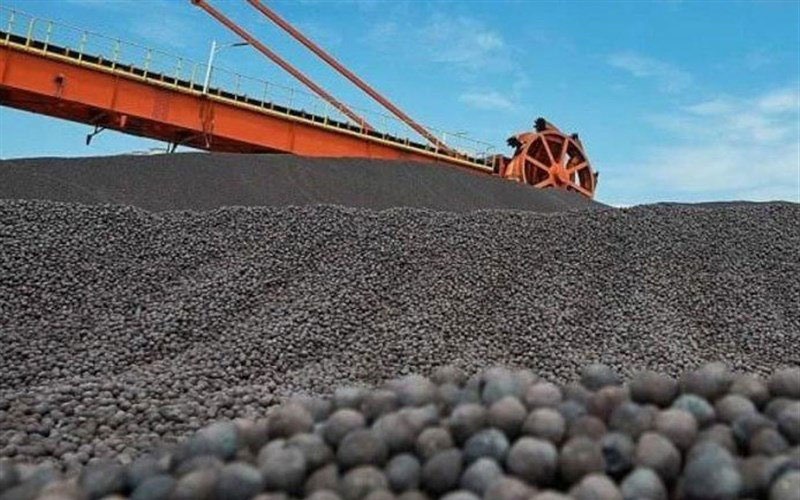
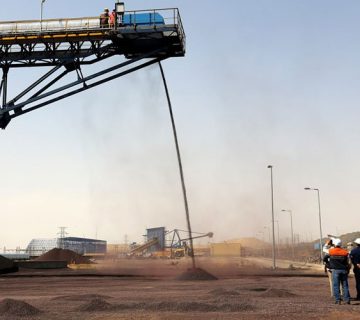
Pelletizing plants in Iran process iron ore concentrates into pellets, enhancing their usability in steel production. These facilities are often located near mines to minimize transportation costs. Iran’s pellet production capacity has expanded significantly, with plants employing advanced technologies like bucket wheel stacker-reclaimers for efficient material handling.
Key pellet factories include:
– **Gol Gohar Pellet Plant**: Situated near Sirjan in Kerman Province, this is the largest pellet plant in the Middle East. It has an annual capacity of 5 million tons of pellets, using concentrates from the adjacent Gol Gohar mine. The plant supports the production of 2.5 million tons of steel annually and is operated by Gol Gohar Iron Ore Company.
– **Sirjan Iron Ore Pellet Production Plant**: Also in Sirjan, Kerman Province, adjacent to Gol Gohar, this MIDHCO-operated facility produces 2.5 million tons of pellets per year. Commissioned in 2012, it employs around 300 people and focuses on high-quality pellets for domestic and export markets.
– **Sangan Pelletizing Plants**: Located in Khaf County, Khorasan Province, these include multiple units with a combined capacity of 5 million tons per year. The Sangan I and II plants, operational since 2017, feature beneficiation lines and use equipment like luffable bucket wheel stacker-reclaimers with stacking/reclaiming capacities of 800/2,000 tons per hour. Managed by entities like Khorasan Sangan Steel Mining Industries Co. and Esfahan’s Mobarakeh Steel Company, they supply pellets for direct reduction units and employ up to 1,400 directly, boosting regional employment.
– **Ardakan (Chadormalu) Pellet Plant**: Linked to the Chadormalu mine in Yazd Province, this plant processes ore into pellets, contributing to Iran’s overall capacity. It produces both direct reduction (DR) and blast furnace (BF) grade pellets.
– **Bahabad Pelletizing Plant**: In Yazd Province, this ongoing project under Ghadir International Industries aims to enhance pellet output, though specific capacities are under development.
Other notable plants include those associated with Gohar Zamin and various steel companies, as listed in industry reports. Overall, Iran’s pellet production supports an export surge, with shipments reaching 2.78 million tons in the Iranian year ending March 2022.
## Economic Impact and Exports
The iron ore and pellet sector contributes significantly to Iran’s non-oil exports, valued at $513 million in pellets for the first seven months of the Iranian calendar year (March-October). With government ownership of 90% of mines, the industry attracts foreign investment through buy-back agreements, targeting $20 billion for sector improvements. Exports have grown sharply, aided by Iran’s strategic location and ports facilitating shipments to global markets. However, tariffs on concentrates (50%) and pellets (35%) influence pricing, with government negotiations setting domestic rates.
## Challenges and Future Prospects
Despite its strengths, Iran’s iron ore pellet industry faces hurdles like U.S. sanctions, which limit technology imports and financing. Aging infrastructure in some mines and environmental concerns also pose issues. Looking ahead, expansions at sites like Gohar Zamin and Sangan aim to boost output, aligning with Iran’s 20-year mining development plan. Increased focus on sustainable practices and diversification could further strengthen the sector.
In summary, Iran’s iron ore mines and pellet factories form a vital backbone of its industrial landscape, driving steel production and economic growth. With ongoing investments, the country is poised to maintain its position as a key player in the global iron ore market.

No comment